
Automotive Sector and Auto Repair Shop News
NEXT MEDIA
partner by




News
Volver atrás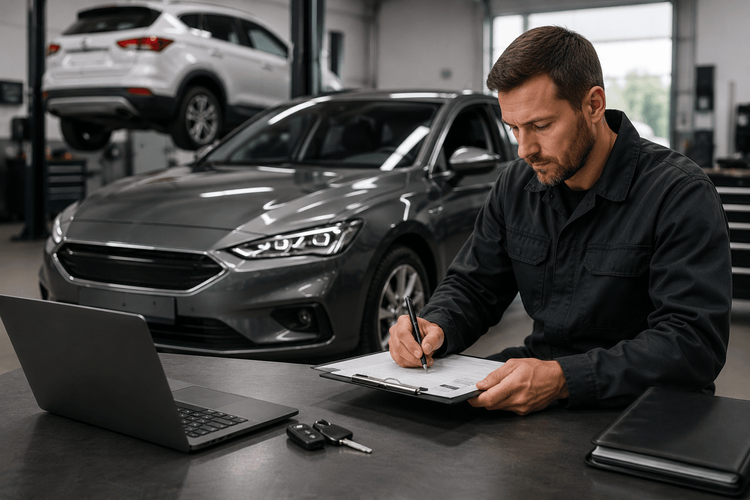
How to Invoice the Sale of a Used Car in a Mechanical Workshop Without Making Mistakes
More and more mechanical workshops are buying and selling used cars as a complement to their main activity. It can be a good opportunity to increase income, make use of vehicles that enter the workshop, or sell inspected and prepared cars.
The problem arises when this activity is managed as if it were just another repair. The sale of a used car has its own fiscal, legal, and technical obligations. Incorrect invoicing, failing to document the condition of the vehicle, or not controlling costs can end up generating claims, loss of margin, or problems with the authorities.
If you have a mechanical workshop and sell used cars, or are thinking of doing so, these are the points you should be clear about before closing a deal.
Can a Mechanical Workshop Sell Used Cars?
Yes. A mechanical workshop can legally buy and sell used cars, as long as the activity is properly managed and registered.
The key is to understand that selling a vehicle is not a repair. It is a different commercial operation, with its own invoice, documentation, cost control, and warranty.
One of the most common mistakes is mixing the purchase of the car, the repairs carried out, and the final sale to the customer within the same management. This makes it difficult to know how much it really cost to prepare the vehicle and what margin the operation left.
With a management and invoicing program for mechanical workshops like Next GO, the workshop can record the purchase of the vehicle, control the repairs carried out, calculate the associated costs, and issue the sales invoice in an organized manner.
The Big Mistake: Invoicing the Sale of the Car as if It Were a Repair
One of the points that raises the most doubts is how to invoice a used car from a workshop, especially when the vehicle has been purchased from a private individual.
In these cases, the operation may have a different tax treatment than a normal repair. VAT is not always applied in the same way, and it is important to know whether to apply the general regime or the special regime for used goods.
Invoicing without being clear about this can lead to significant mistakes:
- Paying more taxes than necessary.
- Applying VAT incorrectly.
- Losing margin without noticing.
- Having problems in case of a tax audit.
- Not being able to properly justify the operation.
Therefore, before selling used cars from the workshop, it is advisable to clearly define how each operation will be recorded and to seek tax advice when necessary.
What the Workshop Should Control Before Issuing the Invoice
Before issuing the sales invoice for a used car, the workshop should have several basic data under control:
- Purchase price of the vehicle.
- Origin of the car: private individual, company, or professional.
- Cost of repairs carried out.
- Hours of work invested.
- Spare parts used.
- Preparation, cleaning, or management expenses.
- Final sale price.
- Real margin of the operation.
This control is important because buying and selling may seem profitable at first glance, but may stop being so when hours, parts, diagnostics, travel, or administrative tasks are added up.
A car bought cheaply may end up leaving little margin if it needs more work than expected. That is why it is essential to record all costs from the very beginning.
Warranty in the Sale of Used Cars from the Workshop
When a workshop sells a used car, it assumes responsibility towards the customer. Even if the vehicle is old or has many kilometers, the sale must be carried out transparently and with the proper documentation.
Many conflicts arise because the condition of the vehicle was not properly explained, the prior inspection was not documented, or it was not clearly defined what the warranty covers.
To reduce risks, the workshop should carry out a complete technical inspection before putting the car up for sale. This inspection allows the detection of possible faults, assessment of the real condition of the vehicle, and documentation of the checks carried out.
In addition, it helps to sell with more confidence and to respond better to possible claims.
What to Check Before Selling a Used Car from the Workshop
Before selling a used car, the workshop must ensure it knows its real condition. It is not enough for the car to start, run well, or look good.
There are checks that should be part of the process:
- Electronic diagnosis.
- Review of stored faults.
- Battery and charging system check.
- Inspection of brakes, suspension, and steering.
- Condition of tires.
- Leak control.
- Inspection of lights and safety systems.
- Basic electrical checks.
- Condition of engine, transmission, and cooling.
- Dynamic test.
This step is key to avoiding surprises after the sale. It also allows you to justify that the vehicle was inspected before delivering it to the customer.
In more complex operations, relying on a technical consulting service for workshops like Next Assist can help resolve doubts, validate repairs, and make better decisions before closing the sale.
How to Organize Buying and Selling to Avoid Losing Margin
Buying and selling used cars can be profitable, but only if the workshop properly controls each phase of the operation.
The most common mistake is to focus only on the difference between the purchase price and the sale price. But that difference does not always represent the real profit.
To correctly calculate the margin, you must take into account:
- Acquisition price.
- Repairs carried out.
- Spare parts used.
- Internal labor.
- Diagnostics and checks.
- Administrative costs.
- Cleaning and preparation.
- Possible subsequent warranties.
If these costs are not recorded, the workshop may think it has made money when in reality it has greatly reduced its margin or even lost profitability.
That is why it is important to separate vehicle management from regular repair management. Each car intended for sale should have its own economic and documentary control.
How a Workshop Management Program Can Help
A workshop management software allows better organization of the buying and selling of used vehicles and helps avoid common mistakes.
With a tool like Next GO, the workshop can centralize information for each vehicle, control the work carried out, record costs, and prepare documentation in a more organized way.
This helps to:
- Separate repairs and sales operations.
- Control the real margin of each vehicle.
- Record labor and spare parts.
- Manage invoices more clearly.
- Have traceability of the operation.
- Avoid losses due to lack of control.
- Work with greater administrative security.
For a workshop that sells used cars occasionally or regularly, this control can make the difference between a profitable operation and a source of problems.
Buying and Selling Used Cars Can Be Profitable If Managed Well
Selling used cars from a mechanical workshop can be a good business opportunity. The workshop knows the vehicle, can inspect it, prepare it, and deliver it with greater technical assurance.
But for it to work, the operation must be managed correctly from the start.
Proper invoicing, inspecting the car before selling it, controlling costs, documenting the condition of the vehicle, and relying on appropriate tools allows you to work more safely and protect the workshop's margin.
The key is to treat the sale of the car as an independent operation, with its own technical, economic, and documentary tracking.
Manage the Sale of Used Vehicles with More Control
If your workshop sells used cars or wants to start doing so, having an adapted management system can help you avoid mistakes and improve the profitability of each operation.
With a management and invoicing program, you can organize the purchase, preparation, repair, and sale of the vehicle from a single platform, maintaining control of costs, invoicing, and documentation.
Contact us!
Partner by